
Common projects
Where this service fits
Reclaim the highest-value ground first
Large properties do not always need every acre treated at once. Road frontage, water access, fence lines, grazing areas, building approaches, and dense seed-source patches may offer the greatest immediate return. Phased work makes the property more usable while spreading cost over time.
The first pass may focus on access and heavy growth. Later work can refine edges, address regrowth, seed disturbed ground, and expand into additional sections.
Mulching, mowing, and brush cutting serve different stages
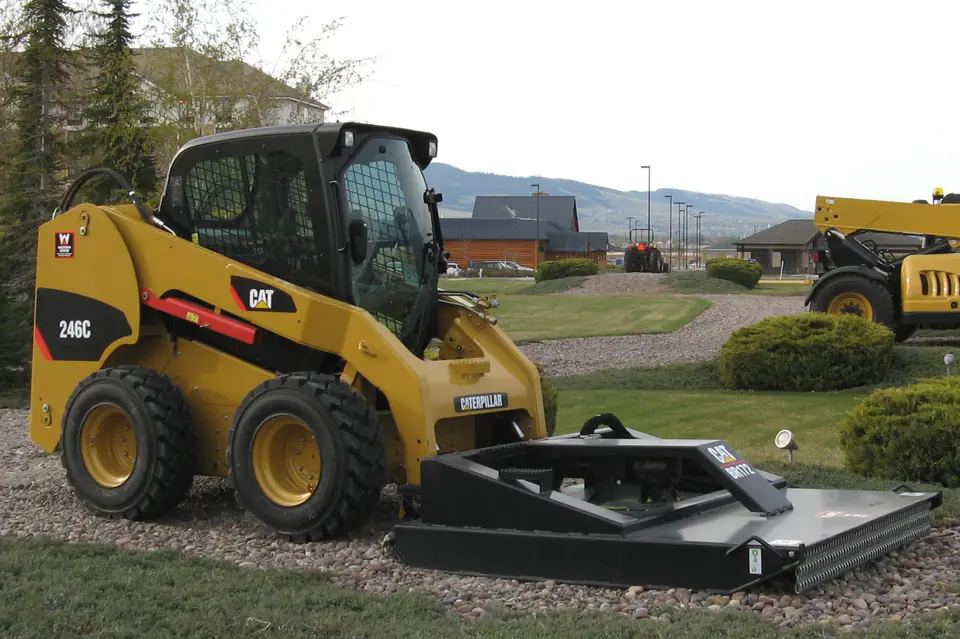
Forestry mulching handles woody growth and dense understory that ordinary mowing cannot. Heavy brush cutting maintains open areas and knocks back lighter regrowth. Finish mowing is appropriate only after hazards, stumps, and heavy woody material are controlled.
Matching the machine to the vegetation avoids poor results and equipment damage. Hidden rock, wire, holes, and debris should be identified before mowing.
Regrowth is part of the plan
Cedar, mesquite, privet, hackberry, locust, vines, and other species respond differently after cutting. Some resprout; others return primarily from seed. Sunlight reaching the ground can also stimulate grass and new growth. A realistic plan includes monitoring and follow-up rather than promising permanent control from one pass.
Ongoing options may include periodic mowing, targeted cutting, prescribed grazing, selective treatment by qualified applicators, or follow-up mulching. The right method depends on the landowner’s agricultural, recreational, aesthetic, or habitat goals.
Balance access with habitat and shade
Land management does not have to mean clearing everything. Selective openings, edge feathering, trail networks, and preservation of mature trees can improve access while retaining shade, screening, and wildlife cover.
Before work, owners should identify water features, nesting areas, erosion-prone ground, heritage trees, and zones intentionally left dense. The clearest plan is a marked map combined with an onsite walk.
Scope options
What can be included
Property-owner questions
Pasture, Ranch & Vegetation Management FAQs
Can an overgrown pasture be restored?
Often yes, but the sequence may involve woody clearing, stump considerations, mowing, soil work, and seeding. The desired livestock or land use influences the plan.
How often will maintenance be needed?
Frequency depends on species, rainfall, soil, sunlight, and treatment method. Some areas need annual mowing; others may remain manageable for several years.
Can you clear around ponds and creeks?
Yes where access and regulations allow, with extra care for slopes, saturated ground, erosion, and protected buffers.
Is cedar mulch harmful to the soil?
Fresh chips change the surface environment as they decompose, but onsite woody mulch is commonly used as cover. Planting plans and mulch depth should be considered.
Can the work be divided into phases?
Yes. Phasing is often the most practical way to improve large acreage, beginning with access and the areas that deliver the greatest benefit.