North Texas's #1 Land Clearing ContractorServing Denton County, Fort Worth & surrounding communities
DentonLand Clearing
Planning a land project?Call now(940) 245-4693

Keller, Texas

Land clearing in Keller

Keller’s established neighborhoods, larger residential lots, mature canopy, and creek-connected drainage call for precise clearing with a strong tree-preservation and access plan. Every project is approached with careful execution and close attention to the finished result.

Local ground, local decisions

What land work looks like around Keller.

Keller is a largely developed Tarrant County community with remaining large lots, wooded creek corridors, mature residential trees, and localized redevelopment opportunities.

Tighter gates, fences, neighboring homes, landscaping, and paved drives often favor smaller equipment, controlled movement, and a detailed debris plan.

Keller projects are rarely about clearing everything. They more often involve opening a building area, reclaiming an overgrown rear lot, removing conflicting roots, improving drainage access, or thinning woodland while protecting the trees and privacy that make the property valuable.

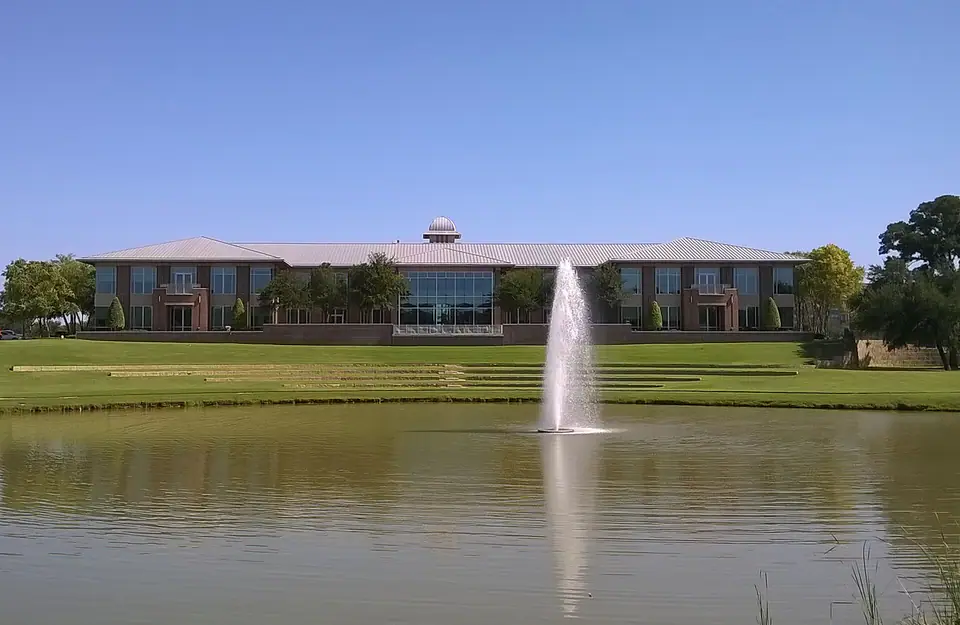
Keller Town Hall beside its lake and landscaped grounds in Keller, Texas
Keller Town Hall and its lakeside landscape reflect the city’s emphasis on mature green space. Photo source

Trees & vegetation

Common trees around Keller and why they matter to the project.

Tree species can hint at drainage, soil, historic land use, and maintenance needs. Identification, health, and exact site conditions should still be confirmed on the property.

Post oak, blackjack oak & live oak

Where it shows upOlder uplands, estate lots, and established neighborhoods.

Project effectMature canopy adds property value but needs a meaningful root-protection area. Grade cuts, fill, and repeated travel can injure trees left standing.

Cedar elm & hackberry

Where it shows upWooded lot edges and drainage corridors.

Project effectCrowded volunteers can be thinned to favor stronger trees. Stumps near future lawns, walls, or structures may require grinding or grubbing.

Pecan, cottonwood & willow

Where it shows upBear Creek and lower drainage ground.

Project effectLarge crowns and moisture-associated roots require room. Clearing near channels should preserve stable banks and existing drainage capacity.

Eastern redcedar

Where it shows upPrivacy screens and unmanaged corners.

Project effectSelective removal can improve airflow, sightlines, and maintenance access while retaining an intentional buffer.

Ground condition

Soil and drainage shape the method.

Clay soils, developed drainage systems, and previous residential grading can concentrate runoff along swales and creek approaches. Equipment routes should avoid turning a selective-clearing project into compaction or restoration work across the entire yard.

Tree-to-finish diagram

Match the treatment to what happens next.

A tree can stay, be processed at the surface, or be removed with its root system. The future use makes the decision.

Start hereWhere is the tree relative to the finished plan?
Outside disturbance

Preserve

Mark the tree and a practical root-protection area. Keep traffic, cuts, fill, and stockpiles outside it.

Natural-use area

Cut or mulch

Process brush and smaller growth where roots can remain and a natural surface is acceptable.

Pad, drive, or utility

Remove & grub

Extract conflicting roots, handle the void, and leave the area ready for the specified earthwork.

Important: A visual tree check is not an arborist risk assessment. Valuable, protected, or questionable trees may need review by a qualified arborist.

Planning in Keller

Local conditions to settle before equipment arrives.

01

Protect the property outside the work limits

Access mats, smaller equipment, defined turning areas, and prompt cleanup can reduce damage to lawns, irrigation, paving, and retained trees.

02

Coordinate with the finished design

Pools, additions, accessory buildings, walls, and drainage improvements should set the removal limits, not a generic distance from the house.

03

Confirm current local requirements

Tree, drainage, access, and development requirements depend on the parcel and scope. Verify them before roots or grade are disturbed.

A better project sequence

Clearing is one step in a complete site plan.

01

Map it

Confirm boundaries, easements, utilities, drainage, and the future layout.

02

Mark it

Identify clearing limits, keeper trees, access, staging, and protected areas.

03

Clear it

Use mulching, cutting, grubbing, haul-off, or a combination by zone.

04

Finish it

Backfill, rough grade, stabilize, and leave a defined handoff for the next trade.

Common local projects

Land uses we plan for around Keller.

  • Estate-lot and residential clearing
  • Pool, addition, and accessory-building preparation
  • Creek and drainage access
  • Selective woodland and privacy-screen management

Before work begins

Answers for Keller property owners.

How is a land-clearing quote prepared?

Quotes consider vegetation type and density, tree size, terrain, access, stumps, debris handling, acreage, and the finish expected after clearing. Photos help, but an onsite review is the reliable way to confirm scope.

Who confirms boundaries and utilities?

The owner provides reliable boundaries, easements, and work limits. Public utilities must be located before digging, and private lines such as irrigation, septic, electric, or propane may need separate identification.

Are permits or tree rules required?

Tree-preservation, floodplain, burn, development, and grading requirements vary by property and project. Owners should confirm current rules with Keller, Denton or Tarrant County as applicable, and any other authority before work.

Regional planning references

Local planning context: City of Keller drainage and infrastructure plans. Ecology and soil guidance is informed by the Texas Parks & Wildlife Cross Timbers overview, Ray Roberts Lake natural-area guide, and USDA soil survey resources. These regional references do not replace parcel-specific surveys, engineering, arborist advice, or current local requirements.

Top-quality work. Clear expectations.

High standards from the first site review to the finished result.

We carefully plan and execute clearing, mulching, grading, access, and material work around the property, the agreed scope, and the result you expect.

Careful executionWork limits, keeper trees, drainage, and nearby improvements are treated with respect.
Quality-focused finishThe completed area should match the agreed scope and be ready for its next use.
North Texas capabilityMethods and equipment are matched to local vegetation, ground conditions, and access.