Willow & cottonwood
Where it shows upCoves, creeks, and shoreline low ground.
Project effectTheir presence often signals wetter soil. Bank protection and falling-limb hazards deserve attention during selective removal.
 DentonLand Clearing
Little Elm, Texas
Little Elm’s lake-oriented growth creates a mix of active development, clay uplands, coves, drainages, and shoreline trees. Every project is approached with careful execution and close attention to the finished result.
Local ground, local decisions
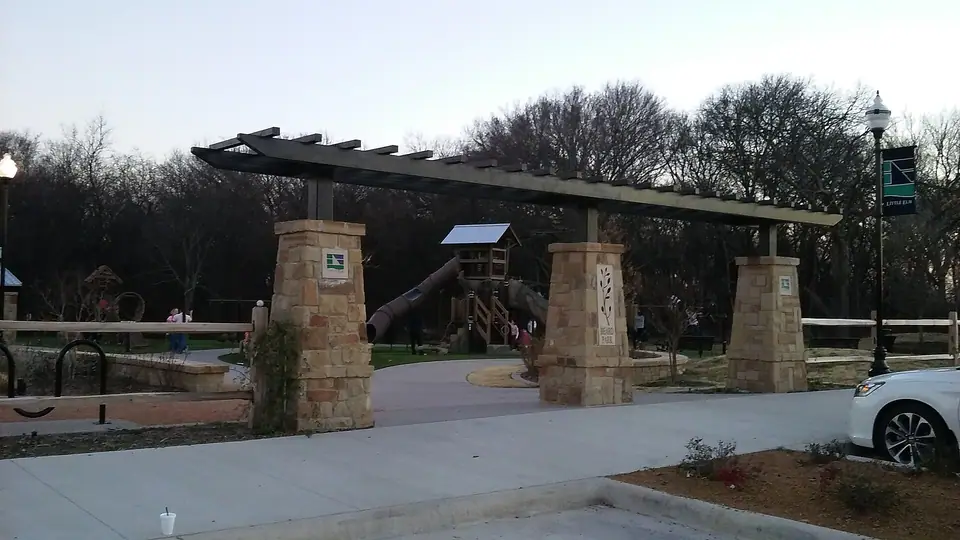
Little Elm has extensive shoreline and has grown rapidly from a small lakeside community into a major residential area.
Access limitations, neighboring homes, HOA conditions, and stormwater infrastructure often matter as much as vegetation density on local sites.
Newer neighborhoods sit beside remaining ranch tracts and wooded fingers leading toward Lewisville Lake. Construction clearing, selective buffers, and drainage protection often need to be coordinated rather than treated as separate decisions.
Trees & vegetation
Tree species can hint at drainage, soil, historic land use, and maintenance needs. Identification, health, and exact site conditions should still be confirmed on the property.
Where it shows upCoves, creeks, and shoreline low ground.
Project effectTheir presence often signals wetter soil. Bank protection and falling-limb hazards deserve attention during selective removal.
Where it shows upDrainage corridors and older acreage.
Project effectCan form valuable shade groups; crowded understory can be thinned while preserving stable canopy.
Where it shows upDrier upland remnants.
Project effectSlow-growing native canopy benefits from generous protected root zones during adjacent grading.
Where it shows upPasture edges and buffers.
Project effectWorks as screening but can become dense. Mulching allows selective opening without total exposure.
Expansive clay, disturbed development soil, and seasonally wet drainage areas can behave very differently. Equipment traffic should follow a route that can be restored and does not push runoff toward adjoining lots.
Tree-to-finish diagram
A tree can stay, be processed at the surface, or be removed with its root system. The future use makes the decision.
Important: A visual tree check is not an arborist risk assessment. Valuable, protected, or questionable trees may need review by a qualified arborist.
Planning in Little Elm
A new pad, fence, or drive can redirect water. Use the civil or builder plan to set clearing limits where development is proposed.
A tree screen should include access for future trimming, fence repair, and invasive-growth control.
Tight sites require clear work limits, controlled debris, and a route that minimizes mud and truck impacts on residential streets.
A better project sequence
Confirm boundaries, easements, utilities, drainage, and the future layout.
Identify clearing limits, keeper trees, access, staging, and protected areas.
Use mulching, cutting, grubbing, haul-off, or a combination by zone.
Backfill, rough grade, stabilize, and leave a defined handoff for the next trade.
Services in Little Elm
Start with the closest match. Related work can be coordinated into one clear, quality-focused site plan.
Clear, grub, and prepare property for construction, agriculture, access, or sale.
Service details →Process brush, cedar, saplings, and unwanted understory into an onsite mulch layer.
Service details →Remove selected trees, root balls, storm debris, and unwanted material from the work area.
Service details →Shape rough ground and create workable routes for vehicles, equipment, drainage, and construction.
Service details →Open maintained corridors for fencing, utilities, equipment, recreation, and inspection.
Service details →Reclaim grazing ground, maintain acreage, and manage regrowth over the long term.
Service details →Mulch, wood chips, topsoil, fill, and driveway aggregate delivered for property projects.
Service details →Common local projects
Before work begins
Quotes consider vegetation type and density, tree size, terrain, access, stumps, debris handling, acreage, and the finish expected after clearing. Photos help, but an onsite review is the reliable way to confirm scope.
The owner provides reliable boundaries, easements, and work limits. Public utilities must be located before digging, and private lines such as irrigation, septic, electric, or propane may need separate identification.
Tree-preservation, floodplain, burn, development, and grading requirements vary by property and project. Owners should confirm current rules with Little Elm, Denton or Tarrant County as applicable, and any other authority before work.
Ecology and soil guidance is informed by the Texas Parks & Wildlife Cross Timbers overview, Ray Roberts Lake natural-area guide, and USDA soil survey resources. These regional references do not replace parcel-specific surveys, engineering, arborist advice, or current local requirements.
Top-quality work. Clear expectations.
We carefully plan and execute clearing, mulching, grading, access, and material work around the property, the agreed scope, and the result you expect.