
Common projects
Where this service fits
Clearing should be defined by the finish
“Clear the lot” can mean very different things. A natural acreage cleanup may only need brush processed and selected trees removed. A future slab, driveway, utility run, or maintained lawn usually needs roots extracted, voids backfilled, and the surface left ready for another contractor. We define the finish before equipment moves so the estimate matches the real goal.
Denton-area properties can include black clay, sandy pockets, limestone, drainage swales, old fence wire, abandoned materials, cedar, mesquite, hackberry, privet, and mature post oak. Each condition changes production and debris handling. Acreage alone is never enough to price a project accurately.
Traditional clearing, mulching, or a combined approach
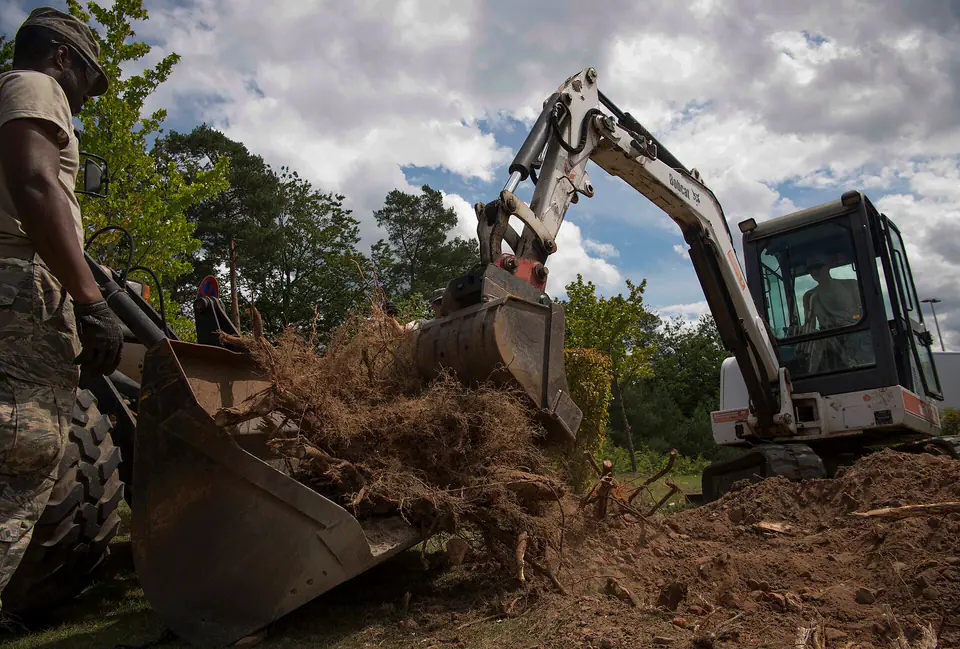
Traditional clearing is appropriate when trees, stumps, and root systems must come out completely. Forestry mulching is often preferable when the goal is selective vegetation removal with less soil disturbance. Many successful projects use both: mulch the surrounding brush and understory, then grub only the building pad, drive, fence corners, or utility route.
A combined plan reduces unnecessary soil disturbance while still creating clean areas where construction requires mineral soil. It can also limit the amount of material that must be hauled, which affects cost, traffic, and schedule.
What owners should prepare before the site visit
Helpful information includes the property address, approximate acreage, survey or visible boundary markings, trees to preserve, known utilities, easements, planned access, photos, and a description of what happens next. If a builder or engineer has plans, share the relevant clearing limits and grades.
Owners remain responsible for confirming property lines, permits, tree-preservation requirements, floodplain restrictions, utility locations, and any HOA or deed limitations. We work to marked limits rather than guessing where a boundary or protected area begins.
The handoff after clearing
A useful handoff is clean enough for the next phase without pretending clearing alone completes construction. Depending on the agreed scope, the site may be ready for surveying, fencing, rough grading, utility work, driveway construction, pasture maintenance, or builder mobilization. Engineered pads, final grades, compaction testing, drainage structures, and erosion controls may require additional specialists or plans.
The estimate should state what happens to logs, stumps, brush, mulch, rocks, and unsuitable debris. It should also state whether disturbed areas are rough, track-walked, backfilled, seeded, or left for later earthwork.
Scope options
What can be included
Property-owner questions
Land Clearing & Site Preparation FAQs
How much does land clearing cost in Denton?
Cost depends on vegetation density, tree size, terrain, access, stumps, debris, disposal, acreage, and the required finish. A lightly overgrown acre and a heavily wooded construction site are not comparable, so an onsite review is the reliable way to quote.
Can mature trees stay?
Yes. Keeper trees and protection zones should be marked before work. Selective clearing can preserve shade and privacy while removing competing understory and unwanted trees.
Will the lot be ready to build on?
It can be cleared for construction access and a defined building area, but final pad design, compaction, drainage, and foundation requirements come from the builder or engineer.
Do you haul everything away?
Haul-off is one option. Clean woody material may also be mulched, chipped, staged, or processed onsite when appropriate. The debris plan is confirmed in the estimate.
Do I need a permit?
Requirements vary by city, county, floodplain, subdivision, and development type. The property owner should verify current requirements before clearing begins.