North Texas's #1 Land Clearing ContractorServing Denton County, Fort Worth & surrounding communities
DentonLand Clearing
Planning a land project?Call now(940) 245-4693

Northlake, Texas

Land clearing in Northlake

Northlake still includes ranch and rural-reserve land alongside rapidly developing neighborhoods, commercial corridors, and the broad Denton Creek floodplain. Every project is approached with careful execution and close attention to the finished result.

Local ground, local decisions

What land work looks like around Northlake.

Northlake’s planning documents distinguish rural reserve and rural estate areas from growing residential, commercial, and industrial places. That creates properties with very different clearing goals inside the same town.

Denton Creek and its tributaries form major floodplain and open-space corridors. Trees and vegetation in those lower areas should not be treated like ordinary upland brush.

The most effective scopes divide Northlake acreage into build zones, maintained rural ground, preserved drainage, and long-term buffers. Open pasture may need brush control and access work, while creek-oriented trees and floodplain vegetation require a more conservative approach.

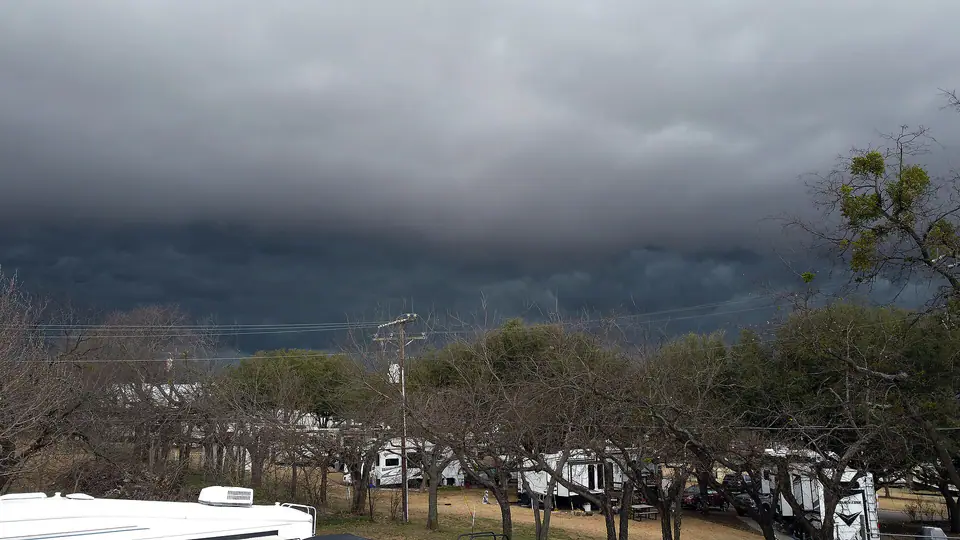
Storm front over a wooded residential edge in Northlake, Texas
A March storm front over Northlake shows the community’s mix of tree cover and open North Texas sky. Photo source

Trees & vegetation

Common trees around Northlake and why they matter to the project.

Tree species can hint at drainage, soil, historic land use, and maintenance needs. Identification, health, and exact site conditions should still be confirmed on the property.

Post oak & blackjack oak

Where it shows upCross Timbers uplands and older ranch tracts.

Project effectLarge native oaks can anchor a rural buffer or homesite. Repeated traffic, cuts, and fill inside their root zones can damage trees intended to remain.

Cedar elm & hackberry

Where it shows upField edges, draws, and disturbed woodland.

Project effectDense volunteer growth responds well to selective thinning, but roots should be removed where future pavement or structures require clear subgrade.

Pecan, willow & cottonwood

Where it shows upDenton Creek floodplain and seasonally wet channels.

Project effectThese trees often signal soft or active drainage ground. Bank stability, floodplain limits, and dry-weather access should guide the scope.

Eastern redcedar

Where it shows upPasture margins and unmanaged screens.

Project effectSmaller stems can be mulched efficiently. Leaving selected bands can preserve rural character and neighboring-property screening.

Ground condition

Soil and drainage shape the method.

Clay uplands can rut and compact, while alluvial ground associated with Denton Creek can stay soft long after nearby ridges dry. The access route and timing may matter more than the straight-line distance to the work.

Tree-to-finish diagram

Match the treatment to what happens next.

A tree can stay, be processed at the surface, or be removed with its root system. The future use makes the decision.

Start hereWhere is the tree relative to the finished plan?
Outside disturbance

Preserve

Mark the tree and a practical root-protection area. Keep traffic, cuts, fill, and stockpiles outside it.

Natural-use area

Cut or mulch

Process brush and smaller growth where roots can remain and a natural surface is acceptable.

Pad, drive, or utility

Remove & grub

Extract conflicting roots, handle the void, and leave the area ready for the specified earthwork.

Important: A visual tree check is not an arborist risk assessment. Valuable, protected, or questionable trees may need review by a qualified arborist.

Planning in Northlake

Local conditions to settle before equipment arrives.

01

Separate rural management from construction clearing

Mulching may be enough for pasture visibility and maintenance, while pads, roads, and utilities need grubbing, backfill, and controlled grade.

02

Treat the floodplain as its own work zone

Confirm current limits and approvals before removing stabilizing vegetation or changing grade near Denton Creek and its tributaries.

03

Plan long routes before production begins

Large tracts benefit from a defined entrance, crossing plan, staging area, and weather fallback before heavy equipment mobilizes.

A better project sequence

Clearing is one step in a complete site plan.

01

Map it

Confirm boundaries, easements, utilities, drainage, and the future layout.

02

Mark it

Identify clearing limits, keeper trees, access, staging, and protected areas.

03

Clear it

Use mulching, cutting, grubbing, haul-off, or a combination by zone.

04

Finish it

Backfill, rough grade, stabilize, and leave a defined handoff for the next trade.

Common local projects

Land uses we plan for around Northlake.

  • Ranch and rural-estate improvement
  • Residential and commercial site preparation
  • Denton Creek corridor access planning
  • Long drives, utilities, and perimeter buffers

Before work begins

Answers for Northlake property owners.

How is a land-clearing quote prepared?

Quotes consider vegetation type and density, tree size, terrain, access, stumps, debris handling, acreage, and the finish expected after clearing. Photos help, but an onsite review is the reliable way to confirm scope.

Who confirms boundaries and utilities?

The owner provides reliable boundaries, easements, and work limits. Public utilities must be located before digging, and private lines such as irrigation, septic, electric, or propane may need separate identification.

Are permits or tree rules required?

Tree-preservation, floodplain, burn, development, and grading requirements vary by property and project. Owners should confirm current rules with Northlake, Denton or Tarrant County as applicable, and any other authority before work.

Regional planning references

Local planning context: Town of Northlake master plans. Ecology and soil guidance is informed by the Texas Parks & Wildlife Cross Timbers overview, Ray Roberts Lake natural-area guide, and USDA soil survey resources. These regional references do not replace parcel-specific surveys, engineering, arborist advice, or current local requirements.

Top-quality work. Clear expectations.

High standards from the first site review to the finished result.

We carefully plan and execute clearing, mulching, grading, access, and material work around the property, the agreed scope, and the result you expect.

Careful executionWork limits, keeper trees, drainage, and nearby improvements are treated with respect.
Quality-focused finishThe completed area should match the agreed scope and be ready for its next use.
North Texas capabilityMethods and equipment are matched to local vegetation, ground conditions, and access.